

ELSS Lock In Period & Why Its Important & How It Works


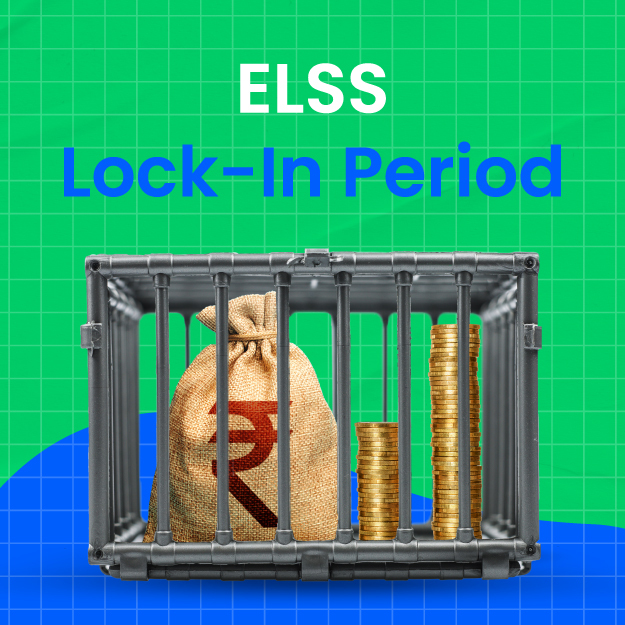
ELSS (Equity Linked Savings Scheme) is one of the most popular tax-saving investment options under Section 80C of the Income Tax Act. Apart from tax benefits, it offers the potential for high returns through equity investments. One key feature that sets ELSS apart from other mutual funds is its lock-in period. This article explores the concept of the lock-in period, how it works, and its significance for investors.
What is the Lock-In Period in an ELSS Fund?
The ELSS lock-in period is the minimum duration for which the invested amount cannot be redeemed or withdrawn. This period is fixed at three years, starting from the date of each investment. It ensures that investors stay invested long enough to benefit from market growth while enjoying tax benefits.
Methods of Investing in ELSS
Investors can invest in ELSS funds using two methods:
- Lump Sum Investment: When an investor invests a lump sum amount in an ELSS fund, the entire amount is locked in for three years from the date of investment.
- Example: If you invest ₹1,00,000 on January 1, 2025, you can redeem it only after January 1, 2028.
- Systematic Investment Plan (SIP): Investors can invest in ELSS through monthly SIPs. Each SIP installment is locked in for three years from its respective investment date.
- Example: If you start a SIP on January 1, 2025, your January 2025 investment will be available for withdrawal on January 1, 2028, while your February 2025 investment will be available on February 1, 2028, and so on.
Importance of the ELSS Lock-In Period
- Encourages Long-Term Investing: The three-year lock-in period ensures investors remain invested long enough to potentially benefit from market growth.
- Reduces Market Timing Risks: Since SIP investments spread across different market conditions, the lock-in period helps reduce the impact of market volatility.
- Tax Benefits: Investors can claim tax deductions of up to ₹1.5 lakh under Section 80C of the Income Tax Act.
- Potential for Higher Returns: Staying invested for a longer period allows the power of compounding to work, potentially boosting returns when market conditions are favorable.
Benefits of ELSS Funds
- Shortest Lock-In Period Among 80C Investments: ELSS has the shortest lock-in period (three years) compared to other tax-saving options like PPF (15 years) and NSC (5 years).
- Higher Return Potential: ELSS funds invest in equities, which historically have provided better long-term returns than fixed-income tax-saving instruments.
- Professional Fund Management: ELSS funds are managed by experienced fund managers who diversify investments across sectors to optimize returns.
- Flexibility After Lock-In: Once the lock-in period ends, investors can redeem their units or stay invested as per their financial goals.
- Tax-Efficient Gains: Gains from ELSS are taxed as Long-Term Capital Gains (LTCG), where the first ₹1 lakh of LTCG in a financial year is tax-free, and any amount above this is taxed at 10%.
What to Do After the Lock-In Ends?
- Redeem Units: If you need funds or have achieved your investment goal, you can redeem your ELSS investment.
- Stay Invested: If the fund is performing well, consider remaining invested to maximize long-term gains.
- Switch or Reinvest: You can switch to another fund for better opportunities or reinvest in ELSS to continue enjoying tax benefits and wealth growth.
Conclusion
The ELSS lock-in period encourages investors to stay invested for a longer duration, fostering disciplined financial planning. It ensures that investments grow over time while offering significant tax benefits. Understanding how the lock-in period works can help investors make informed decisions and maximize their returns.
FAQs
Can I withdraw my investments before the lock-in period is over?
Do I have to redeem my ELSS units after the lock-in period?
What happens if I don’t redeem my ELSS units after the lock-in period?
Can I switch my ELSS investment to another mutual fund after the lock-in period?
Related Articles
View All





Keep an eye on your inbox—your first digest will be arriving soon!

Keep an eye on your inbox—your first digest will be arriving soon!
